
Do You Really Need a Chief Data Officer?

Wayne Eckerson
September 27, 2015
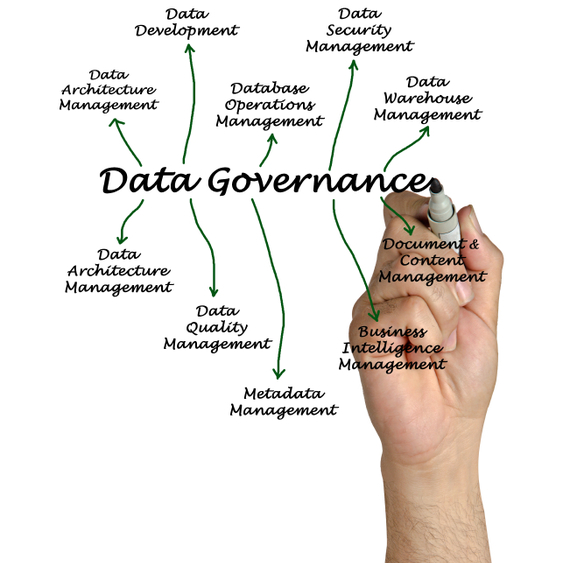




There is a lot of press these days about the chief data officer or CDO. By the amount of attention in the media, you might think that every company has a chief data officer. But that’s not true.
The Right Question. What is true is that many organizations now ask whether they need to hire a chief data officer. But that’s the wrong question. The right question is: does your organization need to manage data as a corporate asset?
The answer to that question is a resounding yes. Every organization has a data governance deficit, and most executives recognize this to varying degrees. But if you press executives, they may waffle about whether data is as critical to the success and future of their organization as other corporate assets, such as people, cash, patents, and equipment.
CDO Dynamics
Unfortunately, most executives don’t view data as a critical asset until they get blindsided by a data breach or handcuffed (sometimes literally) by a compliance regulation. It’s only when executives experience searing pain that they hire chief data officers.
But it’s not just data breaches or compliance violations that cause pain. At a lower boil, CEOs may feel uncomfortable by the lack of data consistency in their organizations. Likewise, CFOs may experience substantial discomfort when they see a multiplicity of data silos with redundant systems, suppliers, and employees.
The truth of the matter is that every organization needs a data governance program. Hence, every organization needs someone to manage that program. But does every organization need a chief data officer?
The degree to which executives perceive data as a risk to the organization determines the title of the data governance manager. The greater the risk, the more likely executives will hire a chief data officer. The less the risk, the more likely they will hire someone at the vice president or director level to oversee the program.
The degree to which executives perceive data as a risk to the organization determines the title of the data governance manager.
It’s no surprise that financial services companies have led the charge to hire chief data officers. After Sarbanes-Oxley and the financial meltdown of 2008/2009, most got hit hard with compliance penalties or new regulations calling for strict controls on key data elements and reporting instruments.
Most industries have yet to reach the pain threshold experienced by financial services firms, which is why chief data officers are not as pervasive elsewhere. But other industries are catching up. Retail, for one, is learning the hard way. Just ask Target or TJ Maxx.
Summary. Data governance is still in its infancy. It will take a lot more pain from data breaches, compliance regulations and inconsistent data to get organizations to establish data governance programs and assign the right executives to manage them.
Wayne Eckerson
Wayne Eckerson is an internationally recognized thought leader in the business intelligence and analytics field. He is a sought-after consultant and noted speaker who thinks critically, writes clearly and presents...
Talk to UsYou Might Also Like